
The skyline of Houston is filled with glass and steel, but one historic structure still whispers a different story: the Rice Hotel Building. Originally constructed in 1913, this residential structure today still reflects the Beaux-Arts style—a design language rooted in symmetry, classical detail, and a sense of quiet grandeur.
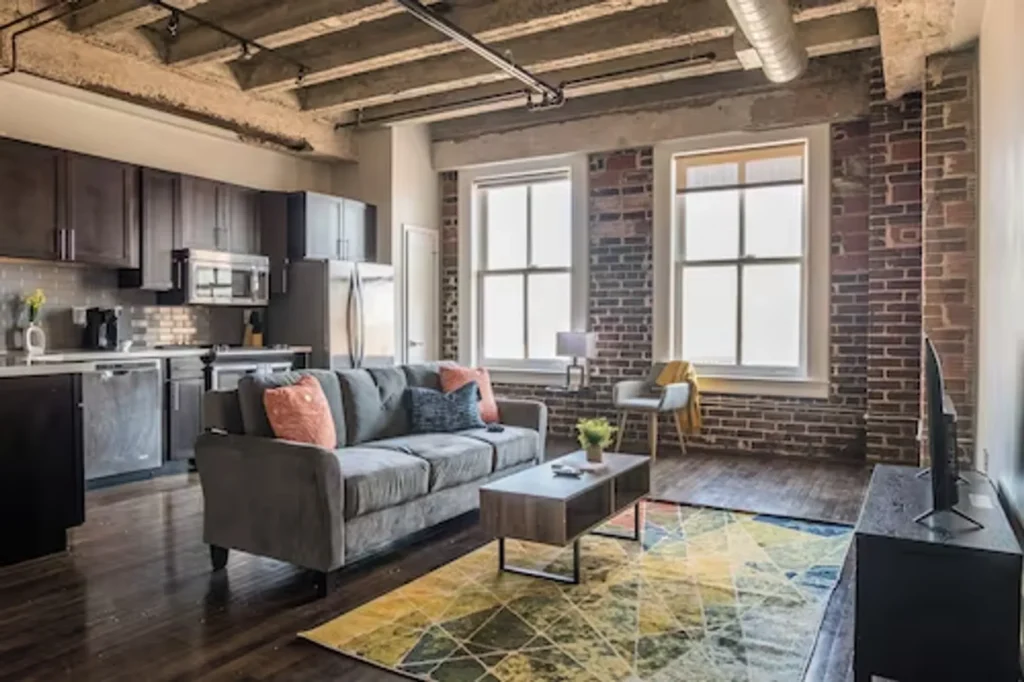
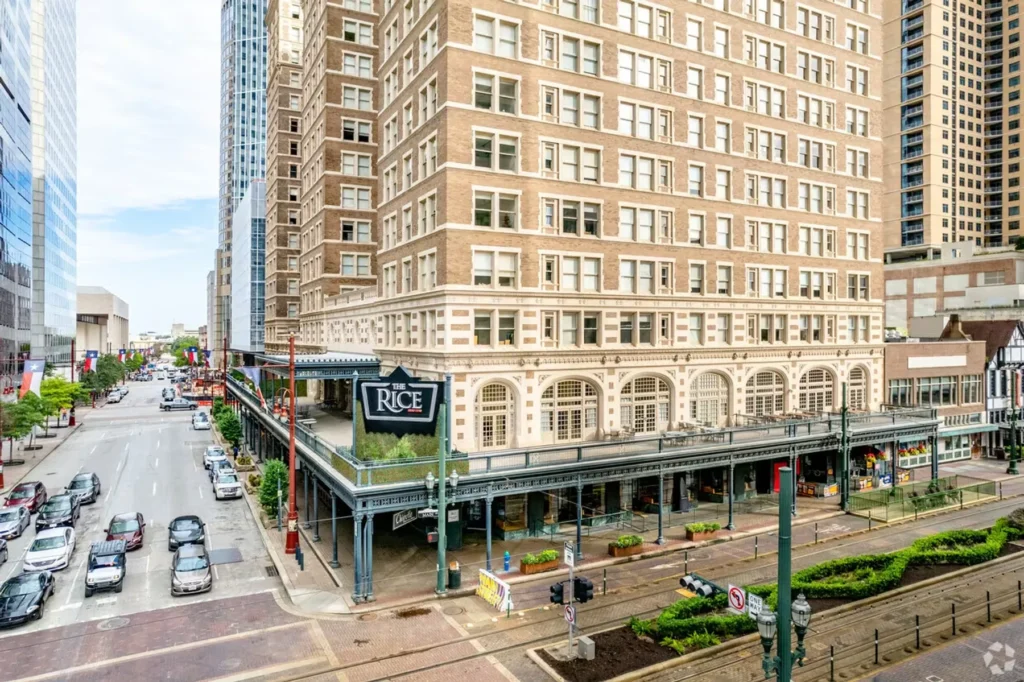
The Rice Hotel was built with reinforced concrete and clad in brick and limestone—materials chosen not just for strength, but for presence. Limestone allowed for intricate carvings around windows and entryways, while brick gave the structure warmth and durability in Houston’s humid climate. Inside, high ceilings and thick walls naturally regulated temperature, long before modern HVAC systems became standard.

What’s striking today is how relevant these choices still feel. In an era of rising energy costs and fast construction, there’s something grounding about buildings designed to last—and to breathe. Imagine modern homes or small commercial spaces using lime-based plasters again, or incorporating thick masonry walls that help stabilize indoor temperatures. Even subtle Beaux-Arts touches—like symmetrical layouts or modest decorative stonework—can bring a sense of calm and permanence to otherwise minimal designs.

You don’t need a grand hotel budget to borrow from the past. A front entry framed with simple columns, or a facade that mixes brick with light stone accents, can echo that historic character without feeling outdated. These elements work because they’re human-scaled—they make spaces feel intentional, not temporary.
In a fast-moving world, buildings like the Rice Hotel remind us that construction can be both practical and poetic. And maybe that’s something worth bringing back.
